
2025 is the perfect time to commit to learning a skill that can save lives—using a defibrillator. Whether it’s in a busy shopping center, your workplace, or even at home, knowing how to use one of these life-saving devices can make a world of difference in a cardiac emergency. Defibrillators are designed to restart a heart when it’s in trouble, and while the technology is simple, being trained to use one can mean the difference between hesitation and action.
This article will explore defibrillators in detail, from how they work to when and why to use them. We’ll also dispel some common myths, answer your burning questions, and guide you on the practical aspects of operating a defibrillator. By the end, you’ll have a solid understanding of these devices and the confidence to take your knowledge further.
If you’re ready to go beyond the basics, we encourage you to check out our HLTAID009 Provide cardiopulmonary resuscitation course. This hands-on training includes an hour of practical defibrillator use, complemented by an engaging video series that brings learning to life. For locals, defibrillator training is conveniently available and tailored to the needs of our community. We’ll guide you through every step, ensuring you feel prepared and capable.
Now, let’s dive into everything you need to know about defibrillators and why mastering this skill should be at the top of your 2025 to-do list!
Skip the Read—Start Your Defibrillator Training Today!
Don’t wait to make a difference—enroll in our HLTAID009 Provide cardiopulmonary resuscitation course and gain the skills to save a life with a defibrillator with just one hour of in person time.

Table of Contents
Why Defibrillators Matter

Understanding Cardiac Arrest and How Defibrillators Help
Cardiac arrest is a condition where the heart suddenly stops functioning effectively, disrupting blood flow to vital organs like the brain and lungs. It’s different from a heart attack, which occurs when blood flow to the heart muscle is blocked. While a heart attack can cause significant damage and lead to cardiac arrest, the two events are not the same.
Imagine your heart as a pump with an electrical system that keeps it beating in rhythm. Cardiac arrest happens when this electrical system malfunctions, leading to chaotic or irregular rhythms such as ventricular fibrillation. When this occurs, the heart can’t pump blood effectively, and the body begins to shut down.
This is where defibrillators shine. A defibrillator works like a “reset button” for the heart. By delivering a controlled electric shock, it can restore the heart’s normal rhythm, allowing blood flow to resume. The Heart Foundation notes that approximately 25,000 cardiac arrests occur in Australia each year, and only 5–10% of people survive without timely treatment. Defibrillators, combined with CPR, significantly improve these odds, especially if used within the first 3–5 minutes.
Breaking Down the Numbers
Let’s look at the numbers to understand just how critical defibrillators are:
- Survival rates drop by 7–10% for every minute without defibrillation after cardiac arrest.
- Communities with public access defibrillation programs see survival rates as high as 40–60% compared to less than 10% without intervention.
- Globally, over 300,000 out-of-hospital cardiac arrests occur annually in the United States and 700,000 in Europe, making rapid response crucial.
- Survival rates can triple when defibrillation is provided within 3–5 minutes of collapse.
- AEDs are safe to use by trained laypeople, with no recorded cases of inappropriate shocks in large-scale studies.
- Public spaces equipped with defibrillators see significantly higher survival rates for cardiac arrest compared to residential areas.
- AEDs can guide users with voice prompts, making them accessible even to those with no medical background.
- Programs that combine CPR training with AED accessibility have shown the greatest improvements in survival outcomes.
These statistics highlight why having access to a defibrillator—and knowing how to use one—can be the difference between life and death.
Who Benefits from Defibrillators?
Defibrillators are not just for hospitals or medical professionals—they’re for everyone.
Cardiac arrest isn’t just a rare, dramatic event where someone suddenly collapses. It can occur in various situations, many of which you might not expect. Here are some examples:
- Trauma or Car Accidents: Injuries to the chest or massive blood loss can disrupt the heart’s function, potentially leading to cardiac arrest.
- Drowning: Lack of oxygen from drowning can cause the heart to stop, requiring immediate CPR and defibrillation.
- Drug Overdose: Certain substances, including opioids, can interfere with the heart’s electrical signals, resulting in dangerous rhythms.
- Severe Electric Shock: Exposure to high voltage can disturb the heart’s rhythm, necessitating defibrillation.
- Underlying Heart Conditions: People with conditions like arrhythmias, cardiomyopathy, or a family history of sudden cardiac arrest are particularly vulnerable.
It’s not just about “dropping dead” out of the blue. Many scenarios call for the intervention of a defibrillator, emphasizing its value as a versatile tool in emergency medicine.
Let’s explore who benefits most:
- People with Arrhythmias: Those with irregular heartbeats may be at constant risk of cardiac arrest. A defibrillator can correct these life-threatening rhythms in seconds.
- High-Risk Individuals: If someone in your family has a history of sudden cardiac arrest, you’re more likely to experience it too. Having a defibrillator nearby is a critical safety measure.
- Public Spaces: Airports, schools, shopping centers, and stadiums are high-traffic areas where cardiac emergencies are likely to occur. Public access defibrillators ensure bystanders can act quickly.
Having a defibrillator at home or work isn’t just about protecting yourself—it’s about safeguarding everyone around you.
Family History and Sudden Cardiac Arrest
If your family has a history of sudden cardiac death, you may be at greater risk of experiencing cardiac arrest yourself. Conditions like Long QT syndrome, Brugada syndrome, or hypertrophic cardiomyopathy often go undiagnosed until a tragic event occurs.
Imagine this scenario: A relative collapses during a family gathering. Without a defibrillator on hand, precious minutes pass as you wait for emergency services. With a defibrillator, however, you could step in immediately, increasing their chances of survival dramatically.
Common Training Questions

Defibrillators Vs CPR
When a person’s heart stops during cardiac arrest, blood flow to the brain and vital organs comes to a halt. Without oxygen-rich blood, brain cells begin to die within minutes, and the damage becomes irreversible after 4–6 minutes. Other organs, like the kidneys and liver, also suffer quickly. CPR (cardiopulmonary resuscitation) is essential because it keeps blood moving, acting like a manual pump for the heart until a defibrillator can deliver the shock to restore a normal rhythm.
Think of CPR as a bridge to defibrillation. Without it, the body can suffer so much damage during those precious minutes that even restarting the heart with a defibrillator may not be enough to save the person. It’s like trying to jumpstart a car—it won’t work if the engine has already been ruined.
Defibrillators and CPR aren’t competing tools; they’re a life-saving combo. While CPR alone rarely restarts the heart, it buys time for defibrillation to work by keeping blood and oxygen flowing to critical organs. Performing effective chest compressions doubles or even triples the chance of survival, especially when paired with a defibrillator. This is why learning both skills in defibrillator training is so crucial.
CPR also makes the heart more likely to respond to the electric shock of a defibrillator. When compressions keep oxygen circulating, the heart’s cells are better prepared to regain a normal rhythm. Without CPR, the heart and brain may be too damaged by the time defibrillation is attempted.
The takeaway? CPR and defibrillators aren’t an either/or choice—they’re partners in the fight to save lives. Knowing how to perform CPR and use a defibrillator effectively is one of the most powerful ways to make a difference during a cardiac emergency.
Do Defibrillators Stop the Heart?
Yes, but in a controlled way. Defibrillators don’t “kill” the heart—they deliver a shock that temporarily halts chaotic electrical activity, giving the heart a chance to restart in a normal rhythm. It’s like rebooting a frozen computer: the brief interruption allows everything to reset and function properly again.
Without defibrillation, the heart’s erratic rhythms, such as ventricular fibrillation, prevent it from pumping blood effectively. A defibrillator interrupts this chaos and restores order.
Can A Defibrillator Restart A Stopped Heart
A defibrillator doesn’t restart a heart that has completely stopped. Instead, it works when the heart is beating in a dangerous, irregular way, like when it’s quivering instead of pumping properly. The shock from the defibrillator helps “reset” the heart so it can beat normally again. If the heart has no activity at all (flatlined), a defibrillator won’t work because there’s nothing to reset. In those cases, CPR and other medical treatments are needed.
Are Defibrillators Painful?
For patients in cardiac arrest, defibrillation isn’t painful because they’re already unconscious. However, for conscious patients being treated for arrhythmias in a medical setting, the shock can be uncomfortable but is medically necessary.
How Defibrillators Save Lives
Defibrillators work by targeting the heart’s electrical system, which controls its rhythm. When this system malfunctions, the heart can’t pump blood effectively. The shock delivered by a defibrillator resets this electrical system, allowing the heart to beat normally again.
Can You Still Die with a Defibrillator?
Yes, a defibrillator can’t guarantee survival in all cases. While it dramatically improves the chances of survival during cardiac arrest, other factors—like the time it takes to use the defibrillator, underlying health conditions, or severe damage to the heart—can impact the outcome. It’s a powerful tool, but it’s not a miracle cure.
Can a Defibrillator Damage Your Heart?
Defibrillators are carefully calibrated to deliver the right amount of energy to restart the heart’s rhythm. While the shock may cause minor muscle soreness or skin irritation where the pads are applied, it doesn’t permanently damage the heart. The benefits of defibrillation far outweigh these temporary effects.
Are Defibrillators and Pacemakers the Same?
No, they are different devices with different purposes. A pacemaker is implanted in the chest to regulate a slow or irregular heartbeat over the long term. A defibrillator, on the other hand, is an external device used during cardiac arrest to deliver a shock that restores the heart’s normal rhythm.
Here’s a few more interesting questions we’ve got in class.
Are Defibrillator Paddles Still Used?
Defibrillator paddles, once a staple in hospitals and iconic in movies, have largely been replaced by sticky pads. Modern AEDs (Automated External Defibrillators) use these adhesive pads, which are pre-gelled and clearly labeled for easy placement. Paddles are now mostly limited to specialized hospital settings.
Sticky pads make defibrillators much more accessible for public use. They ensure proper contact with the skin, reducing the chance of error and allowing anyone—even those without medical training—to administer a life-saving shock.
Can You Use a Defibrillator on a Dog?
There have been rare instances of defibrillators being used successfully on dogs, but they aren’t designed, tested, or recommended for veterinary use. The placement of pads and the energy delivered are calibrated for human anatomy, meaning the device may not work as intended on animals.
If a dog is in distress, seek veterinary care immediately. While the idea of using a defibrillator on a pet might seem helpful in the moment, it’s not a substitute for professional treatment.
Can You Defibrillate Yourself?
Defibrillators are not designed for self-use. Cardiac arrest typically renders a person unconscious within seconds, making it impossible to position the pads, activate the device, or deliver a shock in time. Even if you had a fully automated defibrillator, the window of time to act is far too narrow.
Additionally, defibrillators rely on CPR between shocks to keep oxygen flowing to the brain and other vital organs. Since you can’t perform chest compressions on yourself, the chances of survival without another person’s assistance are nearly zero.
Can You Use a Defibrillator on Someone With Nipple Piercings?
Generally, defibrillator pads are placed on the upper right chest and lower left side of the ribcage, avoiding the nipple area entirely. However, if the pads do need to be placed near a nipple piercing, don’t waste time removing jewelry. Instead, adjust the pad placement slightly to ensure it’s not directly over the metal. The priority is always to deliver the shock quickly and effectively.
Can a Defibrillator Kill You?
No, defibrillators are designed to be extremely safe and only deliver a shock if it’s needed. The device analyzes the heart’s rhythm and won’t shock a person who doesn’t require it. If used correctly, there’s no risk of a defibrillator causing harm.
Using A Defibrillator

Who Can Use a Defibrillator?
In an emergency, the most important thing is to act. Anyone can and should use a defibrillator if the situation calls for it. Modern defibrillators, especially AEDs (Automated External Defibrillators), are designed to be simple and safe for anyone to use. . They provide clear instructions through voice prompts, making them accessible for bystanders. That said, taking a defibrillator training course—like those offered in Brisbane—can make a huge difference. With hands-on practice, you’ll feel far more confident and capable in a high-pressure situation.
There are no qualifications
In our defibrillator training Brisbane sessions, you’ll not only learn how to use an AED but also practice real-life scenarios. This hands-on experience helps build confidence, so you’ll be ready to respond when seconds count.
Special Cases: Babies, Children, and Unique Health Conditions
Defibrillators aren’t just for adults—they can also be used on babies and children. Most AEDs come with pediatric pads or settings that adjust the energy level of the shock to make it safe for smaller bodies. If pediatric pads aren’t available, adult pads can still be used in an emergency, with some adjustments. The key is placing the pads carefully so they don’t overlap, typically one on the chest and one on the back.
During defibrillator training, we cover these specific scenarios, giving you the tools to respond confidently whether the person in need is a baby, child, or adult.
When Not to Use a Defibrillator
It’s important to understand when a defibrillator is not the right tool for the situation:
- Heart Attacks vs. Cardiac Arrest: A defibrillator cannot stop a heart attack. Heart attacks occur when blood flow to the heart is blocked, but the heart is still beating. In contrast, a defibrillator is used when the heart has stopped beating effectively, such as during cardiac arrest.
- Breathing Issues: Defibrillators won’t help with breathing problems or shortness of breath unless they lead to cardiac arrest. If someone is conscious and struggling to breathe, they need different medical interventions, not a defibrillator.
- Signs to Use a Defibrillator: Only use a defibrillator if the person is unresponsive, not breathing, and has no pulse. If they’re conscious or breathing, other first aid measures are needed. But remember, if things are serious it’s always worth making sure a defibrillator is nearby if things take a turn for the worse.
Step-by-Step: Where Do Defibrillator Pads Go?
Using a defibrillator might seem intimidating, but modern devices are designed to be incredibly simple—even for someone with no prior experience. Here’s how it works:
- Turn on the Defibrillator: Open the device and press the power button (some AEDs turn on automatically when opened). A calm voice will guide you through every step, so just follow the instructions.
- Expose the Chest: Remove clothing to ensure the pads make direct contact with the skin. This includes bras or anything that might get in the way. If the chest is wet, dry it off—don’t worry about perfection, just make sure the pads stick.
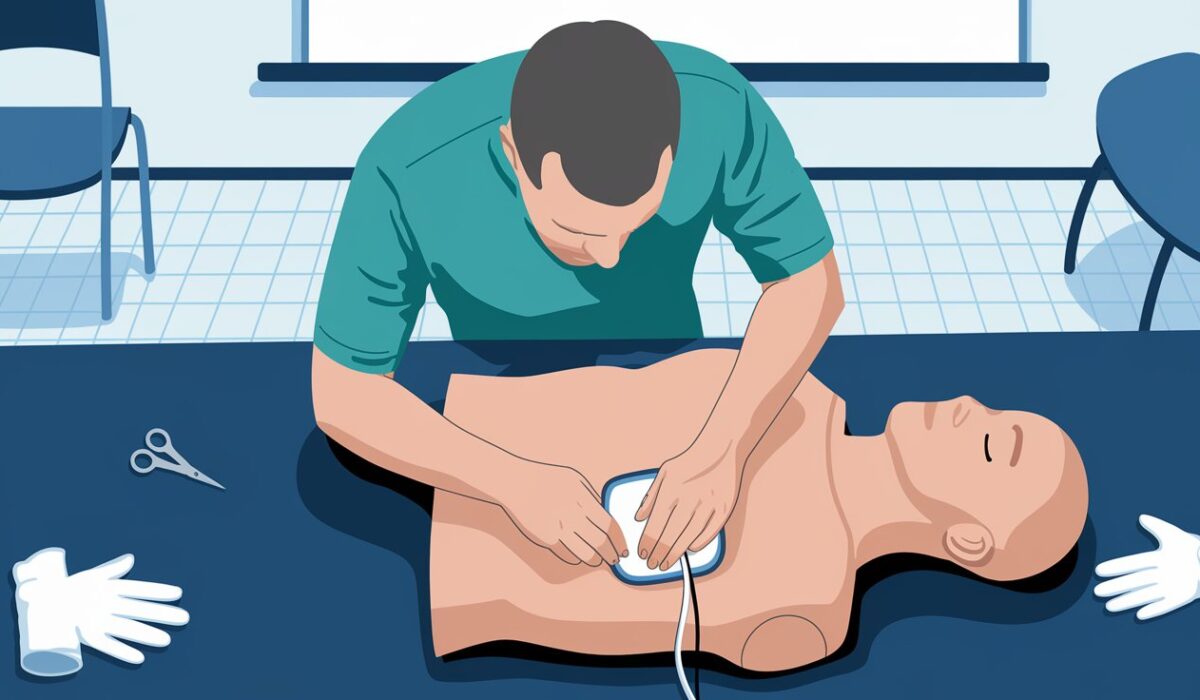
- Place the Pads:
- For Adults: Place one pad on the upper right side of the chest (below the collarbone) and the other on the lower left side, below the ribcage.
- For Children or Babies: Use pediatric pads if available. If not, place one adult pad on the chest and the other on the back to avoid overlap.
The pads have pictures showing exactly where to place them, so it’s practically foolproof.
- Let the AED Analyze: Once the pads are in place, the device will automatically check the person’s heart rhythm. You’ll hear prompts like, “Analyzing heart rhythm, do not touch the patient.” It does all the hard work for you.
- Deliver the Shock if Needed: If the AED detects a shockable rhythm, it will instruct you to press the shock button. (Some AEDs are fully automatic and deliver the shock without input.) Don’t worry about harming the person—it only delivers a shock if it’s truly needed.
- Resume CPR: After the shock, the AED will tell you to continue CPR. It might even give a metronome-like beep to help you keep the right compression rhythm.
Using a defibrillator is as easy as following the device’s step-by-step instructions. You don’t need to second-guess yourself—the AED won’t allow you to make a mistake. It’s designed to guide and protect you every step of the way, so you can focus on helping save a life.
Hands-on practice during defibrillator training makes these steps second nature, so you’ll feel even more confident when it counts.
Where Should a Defibrillator Be Located?
Strategically placing defibrillators in your community or workplace ensures they’re accessible when emergencies strike. Key considerations include:
- High-Traffic Areas: Locations like shopping centers, gyms, schools, and airports are ideal. These places see large crowds, increasing the likelihood of someone experiencing cardiac arrest nearby.
- Visibility: Defibrillators should be clearly visible and marked with standardized signage to make them easy to find.
- Proximity: Aim to place defibrillators within a 1–3 minute walking distance from anywhere in the building or area.
- Accessibility: Keep AEDs unlocked and available 24/7 if possible, as emergencies don’t follow business hours.
Buying and Maintaining an AED

Who Can Use a Defibrillator?
Investing in a defibrillator is one of the most impactful decisions you can make for your workplace, community, or home. But with so many options available, how do you choose the right one? This guide will walk you through what to consider, including top models, legal requirements, and the benefits of pairing your purchase with defibrillator training.
Which Defibrillator Should I Buy?
When it comes to selecting a defibrillator, you’ll want a device that’s reliable, easy to use, and suited to your environment. At Defibrillators Online, we offer a range of high-quality options to meet your needs, including the trusted Defibtech Lifeline models:
- Defibtech Lifeline AED: This is an excellent basic option for those seeking a dependable, no-fuss defibrillator. It delivers a high-quality shock and features loud, clear voice instructions to guide you through the process. Perfect for workplaces, schools, or community centers, even the home. You’ll love this straightforward, reliable device.
- Defibtech Lifeline View AED: For those looking to make defibrillation easier then before, the Lifeline View is a game-changer. It includes a video and picture touch screen that shows you exactly what to do in real time, boosting confidence even in high-pressure situations. Whether it’s your first time using an AED or you’ve had training, this model makes it easier than ever to act quickly and effectively.
Both models are designed for ease of use, durability, and reliability, making them ideal for any setting.
Am I required to have a Defibrillator?
In Australia, certain industries and environments have clear legal requirements for having a defibrillator:
- Schools: In some states, schools are mandated to have defibrillators available. This ensures rapid response in the event of a cardiac arrest, particularly among students, staff, or visitors.
- High-Risk Workplaces: Industries with a higher likelihood of cardiac emergencies, such as construction, mining, and manufacturing, may have to take seriously getting a defibrillator.
. - Sports Facilities: Given the increased physical strain on individuals, many sports venues and gyms must have AEDs accessible in case of sudden cardiac events.
Specific requirements can vary by state and industry regulations, so it’s important to check the guidelines applicable to your area.
Defibrillators in General Workplaces
For most businesses, there’s no strict legal requirement to have a defibrillator. However, the First Aid in the Workplace Code of Practice advises considering an AED as part of your first aid arrangements. Here’s why:
- Risk Assessment: The code requires employers to assess the risks in their workplace and determine what first aid equipment is necessary. For businesses in areas with large numbers of employees, high foot traffic, or significant physical activity, a defibrillator is often a logical addition.
- Duty of Care: Even if an AED isn’t legally required, employers have a responsibility to provide a safe environment. Including a defibrillator as part of a safety plan demonstrates a proactive commitment to employee and customer welfare.
While not strictly mandated, the conversation around AEDs is one that most workplaces should have, as part of a broader safety discussion.
Liability and Legal Protections for AED Use
One common concern about owning or using a defibrillator is legal liability. What if something goes wrong during an emergency? The good news is that Australia has Good Samaritan laws that protect people who act in good faith during a medical emergency.
- Safe to Use: AEDs are designed with built-in safeguards that prevent inappropriate shocks. The device analyzes the patient’s heart rhythm and only delivers a shock if needed, meaning there’s no risk of accidentally harming someone.
- Legal Protection: Good Samaritan laws cover anyone who provides assistance in an emergency, including bystanders and employees, as long as they act reasonably and with the intention to help. This means you’re unlikely to face legal repercussions for attempting to save someone’s life with an AED.
- Maintenance Responsibilities: While using an AED is protected, owners must ensure the device is maintained in good working order. Regularly checking pads and batteries ensures the device is functional and ready to use.
Maintaining a Defibrillator: Pads, Batteries, and Readiness
Defibrillators are designed to be low-maintenance, reliable devices that are always ready to save lives. However, regular checks and upkeep are essential to ensure your AED (Automated External Defibrillator) is fully operational when an emergency strikes. Here’s how to keep your defibrillator in top condition:
Defibrillator Pads: One Use Only
Defibrillator pads are single-use and must be replaced after every use. The adhesive and conductive gel on the pads degrade once they’ve been applied or exposed to air, meaning they won’t work properly if reused. Using pads that don’t adhere well to the skin can result in an ineffective shock, potentially reducing the chances of saving a life.
It’s also important to regularly check the expiration dates on unused pads. Over time, the adhesive and gel may dry out even if the packaging hasn’t been opened. Always keep spare pads on hand, especially in high-traffic areas or workplaces. If children are present, stock both adult and pediatric pads to ensure you’re prepared for all scenarios.
AED Batteries: Not Rechargeable but Long-Lasting
AED batteries are specially designed to be dependable and long-lasting, typically remaining functional for 4–5 years. They are not rechargeable because the priority for defibrillators is reliability. Rechargeable batteries could lose charge unpredictably, which is unacceptable in a life-saving device.
To keep your AED batteries ready to go:
- Check the Status Indicator: Most AEDs have a light or display showing if the battery is low or needs replacement. Perform these checks monthly.
- Replace Batteries Promptly: Always replace batteries before they expire or when the status indicator signals a low charge.
- Have a Spare on Hand: If your defibrillator is in a workplace, school, or public area, keep an extra battery available to ensure uninterrupted readiness.
Routine Inspections
Defibrillators perform automatic self-tests, but monthly inspections ensure everything is functioning properly:
- Status Indicator: Look for the green light (or other indicators) signaling the AED is operational. If there’s an error, consult the manual or contact the manufacturer.
- Pads and Accessories: Check that pads are within their expiration date and properly stored. Ensure pediatric pads are available if needed.
- Physical Condition: Inspect the device for visible damage and ensure it’s stored securely in a clean, dry location.
Buying and Maintaining an AED
Who Can Use a Defibrillator?
Investing in a defibrillator is one of the most impactful decisions you can make for your workplace, community, or home. But with so many options available, how do you choose the right one? This guide will walk you through what to consider, including top models, legal requirements, and the benefits of pairing your purchase with defibrillator training.
Which Defibrillator Should I Buy?
When it comes to selecting a defibrillator, you’ll want a device that’s reliable, easy to use, and suited to your environment. At Defibrillators Online, we offer a range of high-quality options to meet your needs, including the trusted Defibtech Lifeline models:
- Defibtech Lifeline AED: This is an excellent basic option for those seeking a dependable, no-fuss defibrillator. It delivers a high-quality shock and features loud, clear voice instructions to guide you through the process. Perfect for workplaces, schools, or community centers, even the home. You’ll love this straightforward, reliable device.
- Defibtech Lifeline View AED: For those looking to make defibrillation easier then before, the Lifeline View is a game-changer. It includes a video and picture touch screen that shows you exactly what to do in real time, boosting confidence even in high-pressure situations. Whether it’s your first time using an AED or you’ve had training, this model makes it easier than ever to act quickly and effectively.
Both models are designed for ease of use, durability, and reliability, making them ideal for any setting.
Training and Certification: Your First Step in Saving Lives
If you’re ready to take control in an emergency and save lives, defibrillator training is the perfect place to start. Learning how to use an Automated External Defibrillator (AED) can make all the difference when seconds matter most. At My First Aid Course, we offer nationally recognized certifications like HLTAID009 Provide Cardiopulmonary Resuscitation and HLTAID011 Provide First Aid, which include hands-on defibrillator training. These courses are essential for anyone looking to build confidence and life-saving skills.
What is Defibrillator Training?
Defibrillator training teaches you how to recognize cardiac arrest, apply CPR, and use an AED effectively. You’ll learn how to:
- Assess an emergency situation and determine when to use a defibrillator.
- Place AED pads correctly to deliver a life-saving shock.
- Follow the AED’s voice prompts and combine CPR with defibrillation for maximum effectiveness.
Defibrillators are simple to use, but training ensures you can act quickly and confidently. Our courses emphasize hands-on practice, allowing you to experience using AEDs in real-world scenarios. From setting up the device to delivering a shock, you’ll leave the course prepared to step in during a critical moment.
Nationally Recognized Courses
- HLTAID009 Provide Cardiopulmonary Resuscitation
This course focuses on the essentials of CPR and AED use. It’s ideal for individuals who want to learn life-saving techniques, including chest compressions, rescue breaths, and defibrillation. The practical session takes just one hour, giving you hands-on experience with AEDs to build confidence and skill. - HLTAID011 Provide First Aid
If you want a more comprehensive understanding of first aid, this course is for you. In addition to CPR and AED training, you’ll learn how to manage a variety of medical emergencies, including bleeding, burns, fractures, and more. HLTAID011 is perfect for workplaces or anyone looking to expand their first aid knowledge.
Both courses are nationally recognized and are led by experienced instructors who make the learning process fun, engaging, and effective.
Why Choose Defibrillator Training in Brisbane?
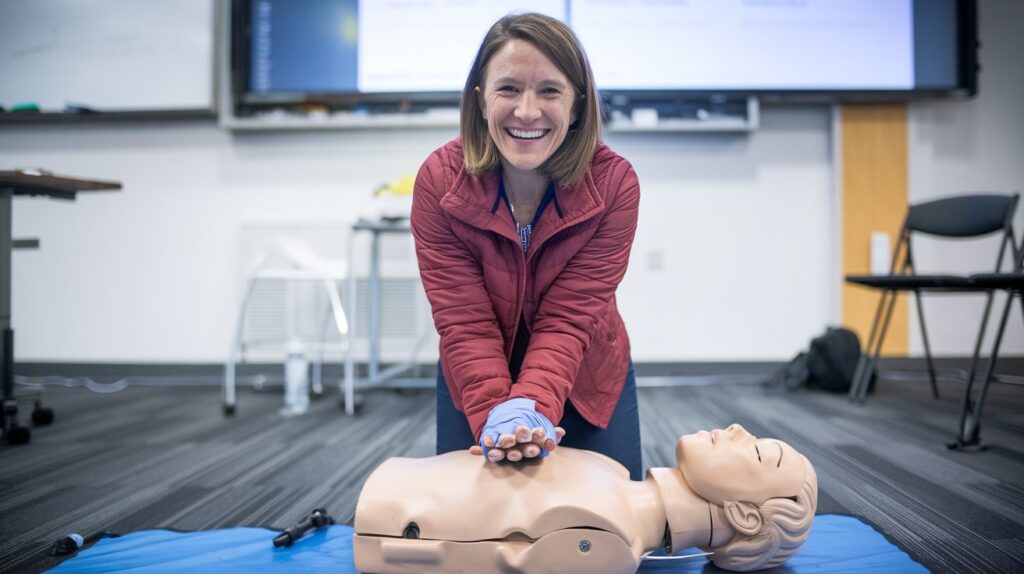
At My First Aid Course Brisbane, we believe learning should be convenient and enjoyable. Our training sessions are available across Brisbane, with flexible schedules to suit your needs. Whether you’re a parent, teacher, manager, or everyday hero, our courses empower you to act with confidence during emergencies.
We pride ourselves on providing:
- Hands-On Practice: You’ll work directly with defibrillators, mastering their use in a supportive environment.
- Friendly Instructors: Our trainers are passionate about teaching and ensure every participant feels comfortable and confident.
- Real-Life Scenarios: You’ll gain practical experience that prepares you for real-world situations, making your training as valuable as possible.
FAQs About Defibrillator Training and AEDs
Do I Need Experience to Enroll?
Not at all! Our courses are designed for everyone, regardless of prior knowledge.
What’s the Difference Between the two courses?
HLTAID009 Provide Cardiopulmonary Resuscitation course is focused on CPR and AED use, while HLTAID011 Provide First Aid includes HLTAID009 Provide Cardiopulmonary Resuscitation and adds in a broader first aid education.
Will I Get to Practice with a Defibrillator?
Yes! Our training includes hands-on sessions where you’ll use training AEDs to gain practical, real-world experience.
Is Defibrillator Training Difficult?
Not at all. AEDs are designed to be user-friendly, and our courses guide you step by step so you feel confident and prepared.
Make 2025 the Year You Save a Life
Make 2025 the year you take charge and learn life-saving skills. Join us at My First Aid Course Brisbane for nationally accredited training that equips you to handle emergencies with confidence.
Sign up today for HLTAID009 Provide Cardiopulmonary Resuscitation or HLTAID011 Provide First Aid. Together, we’ll make sure you’re ready to save a life.
Take the first step—because every hero starts with training.
Am I required to have a Defibrillator?
In Australia, certain industries and environments have clear legal requirements for having a defibrillator:
- Schools: In some states, schools are mandated to have defibrillators available. This ensures rapid response in the event of a cardiac arrest, particularly among students, staff, or visitors.
- High-Risk Workplaces: Industries with a higher likelihood of cardiac emergencies, such as construction, mining, and manufacturing, may have to take seriously getting a defibrillator.
. - Sports Facilities: Given the increased physical strain on individuals, many sports venues and gyms must have AEDs accessible in case of sudden cardiac events.
Specific requirements can vary by state and industry regulations, so it’s important to check the guidelines applicable to your area.
Defibrillators in General Workplaces
For most businesses, there’s no strict legal requirement to have a defibrillator. However, the First Aid in the Workplace Code of Practice advises considering an AED as part of your first aid arrangements. Here’s why:
- Risk Assessment: The code requires employers to assess the risks in their workplace and determine what first aid equipment is necessary. For businesses in areas with large numbers of employees, high foot traffic, or significant physical activity, a defibrillator is often a logical addition.
- Duty of Care: Even if an AED isn’t legally required, employers have a responsibility to provide a safe environment. Including a defibrillator as part of a safety plan demonstrates a proactive commitment to employee and customer welfare.
While not strictly mandated, the conversation around AEDs is one that most workplaces should have, as part of a broader safety discussion.
Liability and Legal Protections for AED Use
One common concern about owning or using a defibrillator is legal liability. What if something goes wrong during an emergency? The good news is that Australia has Good Samaritan laws that protect people who act in good faith during a medical emergency.
- Safe to Use: AEDs are designed with built-in safeguards that prevent inappropriate shocks. The device analyzes the patient’s heart rhythm and only delivers a shock if needed, meaning there’s no risk of accidentally harming someone.
- Legal Protection: Good Samaritan laws cover anyone who provides assistance in an emergency, including bystanders and employees, as long as they act reasonably and with the intention to help. This means you’re unlikely to face legal repercussions for attempting to save someone’s life with an AED.
- Maintenance Responsibilities: While using an AED is protected, owners must ensure the device is maintained in good working order. Regularly checking pads and batteries ensures the device is functional and ready to use.
Maintaining a Defibrillator: Pads, Batteries, and Readiness
Defibrillators are designed to be low-maintenance, reliable devices that are always ready to save lives. However, regular checks and upkeep are essential to ensure your AED (Automated External Defibrillator) is fully operational when an emergency strikes. Here’s how to keep your defibrillator in top condition:
Defibrillator Pads: One Use Only
Defibrillator pads are single-use and must be replaced after every use. The adhesive and conductive gel on the pads degrade once they’ve been applied or exposed to air, meaning they won’t work properly if reused. Using pads that don’t adhere well to the skin can result in an ineffective shock, potentially reducing the chances of saving a life.
It’s also important to regularly check the expiration dates on unused pads. Over time, the adhesive and gel may dry out even if the packaging hasn’t been opened. Always keep spare pads on hand, especially in high-traffic areas or workplaces. If children are present, stock both adult and pediatric pads to ensure you’re prepared for all scenarios.
AED Batteries: Not Rechargeable but Long-Lasting
AED batteries are specially designed to be dependable and long-lasting, typically remaining functional for 4–5 years. They are not rechargeable because the priority for defibrillators is reliability. Rechargeable batteries could lose charge unpredictably, which is unacceptable in a life-saving device.
To keep your AED batteries ready to go:
- Check the Status Indicator: Most AEDs have a light or display showing if the battery is low or needs replacement. Perform these checks monthly.
- Replace Batteries Promptly: Always replace batteries before they expire or when the status indicator signals a low charge.
- Have a Spare on Hand: If your defibrillator is in a workplace, school, or public area, keep an extra battery available to ensure uninterrupted readiness.
Routine Inspections
Defibrillators perform automatic self-tests, but monthly inspections ensure everything is functioning properly:
- Status Indicator: Look for the green light (or other indicators) signaling the AED is operational. If there’s an error, consult the manual or contact the manufacturer.
- Pads and Accessories: Check that pads are within their expiration date and properly stored. Ensure pediatric pads are available if needed.
- Physical Condition: Inspect the device for visible damage and ensure it’s stored securely in a clean, dry location.


