
What to Do When Gravity Strikes
First Aid for Falls
Falls don’t announce themselves politely—they’re sudden, scary, and often leave you wondering what to do next. Whether it’s Grandma taking a tumble in the kitchen or your mate slipping on-site, knowing immediate first aid can literally save lives. Let’s skip the medical jargon and dive straight into real-world tips you can use right now just like at our Brisbane First aid courses.

Table of Contents
Step 1: Check for Danger
Before you sprint to the rescue, take a quick look around. Is there broken glass, spilled liquid, or heavy traffic nearby? The last thing you need is becoming a casualty yourself. Clear the immediate area or carefully move hazards if it’s safe to do so. If the scene isn’t safe, call emergency services immediately and wait for professional assistance.

Step 2: Assess the Situation
Danger: Already covered—keep it safe!
Response: Is the fallen person conscious? Try gently talking to them or giving their shoulder a gentle tap.
Send for help: If they’re unresponsive or seriously hurt, call Triple Zero (000) immediately.
Airway & Breathing: If unconscious, check that their airway is clear and they’re breathing normally.
CPR: If not breathing, it’s CPR time. Start compressions if you’re trained.
Defibrillator: Use an AED if available; these life-saving gadgets are simpler than your phone.

Home Safety Measures to Prevent Falls
Simple modifications in the home can significantly reduce the risk of falls. Recommendations include securing rugs, installing grab rails in bathrooms, ensuring adequate lighting, and decluttering walkways. These changes create a safer environment, particularly for older individuals.
Step 3: Manage Injuries – Bleeding, Breaks, and Bruises
Bleeding: Grab something clean (a bandage, towel, or shirt), apply firm pressure, and elevate if possible.
Head Injuries: Always take these seriously. Symptoms like confusion, dizziness, nausea, or loss of consciousness mean it’s time for immediate medical help.
Fractures and Sprains: Don’t move the injured limb. Immobilise it with a makeshift splint if necessary and apply ice to reduce swelling.
Cuts and Grazes: Clean with antiseptic, apply a clean bandage, and keep an eye out for signs of infection later.
The Financial Toll of Falls on the Healthcare System
Falls are not just a personal health issue; they have significant economic implications. In 2021–2022, fall injuries were estimated to have cost the Australian health system $4.7 billion, underscoring the importance of investment in preventive measures.
Step 4: Keep Calm and Treat for Shock
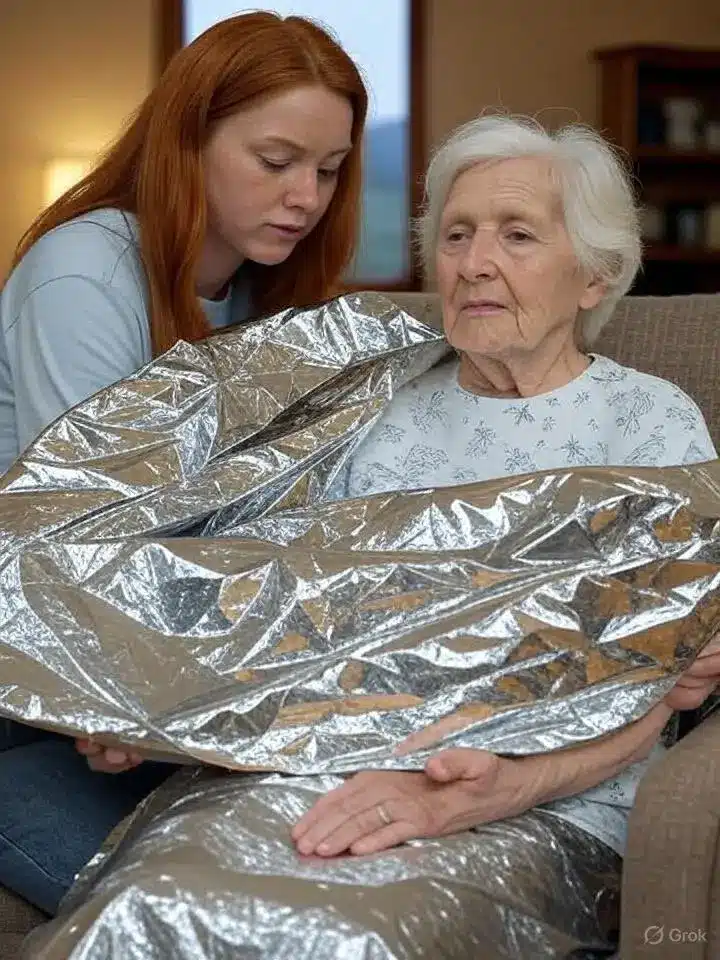
Shock isn’t just about being scared—it’s a serious medical condition. After a fall, keep the person comfortable and warm (blankets, jackets, whatever you’ve got handy). Encourage calm, controlled breathing and reassure them help is on the way.
The Silent Epidemic of Falls Among Seniors
Did you know that approximately 30% of adults over 65 experience at least one fall per year? As Australia’s population ages, this number is expected to rise, emphasizing the need for proactive fall prevention strategies.Engaging in regular exercise programs that include functional balance and muscle strength training can effectively reduce the risk of falls among older adults. These programs are most beneficial when they are progressively challenging and ongoing. PubMed
Step 5: Prevention Tips – Beat Gravity at Its Own Game
Preventing falls isn’t rocket science—just a bit of common sense:
Vision Checks: Clear sight equals fewer tumbles—get regular check-ups.
Home Safety: Secure rugs, install grab rails, improve lighting, and declutter your spaces.
Footwear: Skip slippery slippers; shoes with good grip are lifesavers.
Regular Exercise: Better balance and stronger muscles mean fewer falls.
Bleeding: Grab something clean (a bandage, towel, or shirt), apply firm pressure, and elevate if possible.
Head Injuries: Always take these seriously. Symptoms like confusion, dizziness, nausea, or loss of consciousness mean it’s time for immediate medical help.
Fractures and Sprains: Don’t move the injured limb. Immobilise it with a makeshift splint if necessary and apply ice to reduce swelling.
Cuts and Grazes: Clean with antiseptic, apply a clean bandage, and keep an eye out for signs of infection later.
Falls in the Workplace – A Persistent Hazard
In 2023, falls from a height were the second highest contributor to worker fatalities in Australia, with a concerning increase of 71% since 2022. Nearly 80% of these fatalities involved Labourers, Technicians, Trades Workers, or Machinery Operators and Drivers.
Real Talk: Training Makes the Difference
First aid is simple, but knowing it thoroughly takes practice. Courses like HLTAID011 Provide First Aid give you the skills and confidence to act decisively during emergencies. You don’t rise to the occasion—you fall to your training level.
Don’t wait until it’s your loved one on the ground. Get trained, get confident, and know you can handle whatever gravity throws your way.
Onsite Workplace
Group Bookings

Nationally recognised certificates
30 years of professional training
Sessions tailored for your group

Public
Bookings
Nationally recognised certificates

30 years of professional training
6 locations Brisbane-wide


