
Key Takeaway: Yes, they are still done in CPR according to the latest guidelines.
Let’s settle this once and for all—because if I had a dollar for every time someone said “You don’t need to give breaths in CPR anymore!”, I’d be sipping cocktails in Bali right now.
The short answer? Yes, rescue breaths are absolutely still part of CPR—and they matter more than you think.
But let’s dig into the why—because understanding what’s actually happening inside the body is the difference between going through the motions and actually saving a life.
Why Rescue Breaths Are Still Done
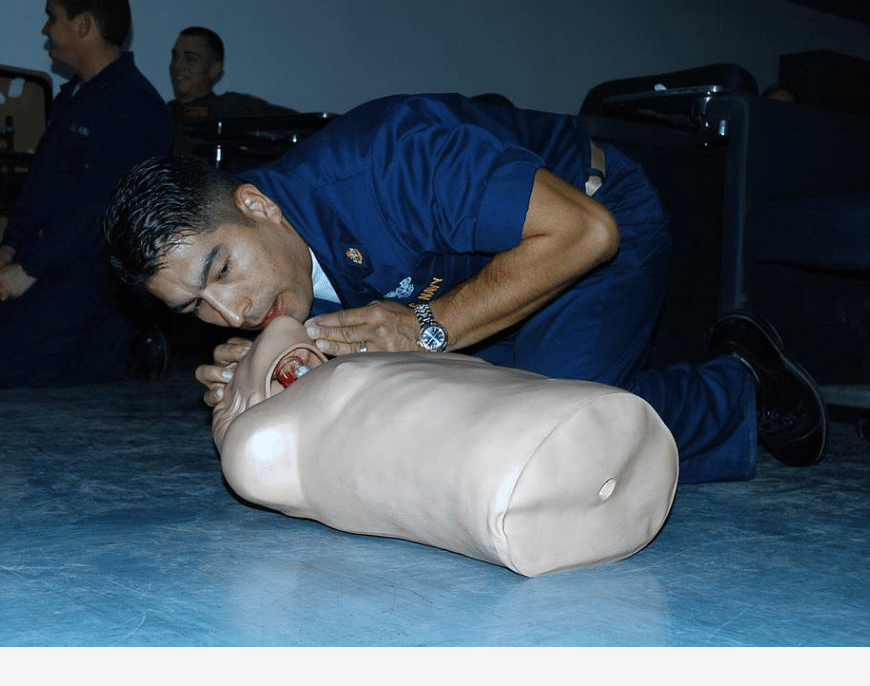
When someone’s heart stops, two things happen:
- Blood stops pumping.
- Oxygen stops circulating.
CPR fixes the first problem—chest compressions manually push blood to the brain and organs. But here’s the catch:
If the blood has no oxygen, you’re just pumping empty fuel lines.
What Happens Inside the Body During Cardiac Arrest?
- First 2-4 minutes: The blood and lungs likely still has some oxygen left. Compressions alone can keep things going—but it’s like running a car on fumes.
- After ~4 minutes? Oxygen levels begin to plummet. Brain Starts Dying
- By 8-10 minutes? Irreversible damage kicks in.
Rescue breaths replace lost oxygen. Compressions can buy time, but they can’t solve a lack of oxygen by themselves.
When Hands-Only CPR Kind Of Works (And When It Doesn’t)

Yes, hands-only CPR exists—but it’s not the gold standard. Here’s why:
When It Might Be Okay:
For bystanders who panic at mouth-to-mouth (better than nothing).
If the arrest is witnessed and help is seconds away (EMS can take over fast).
When It’s not recommended:
Drowning victims (they are likely already oxygen deprived because of water in their lungs).
Long ambulance wait times (rural areas, traffic delays—oxygen runs out fast).
Underlying health issues (lung disease, anemia—they’ve got less oxygen to spare).
Why the Confusion? (Blame Bad Trainers & Half-Truths)
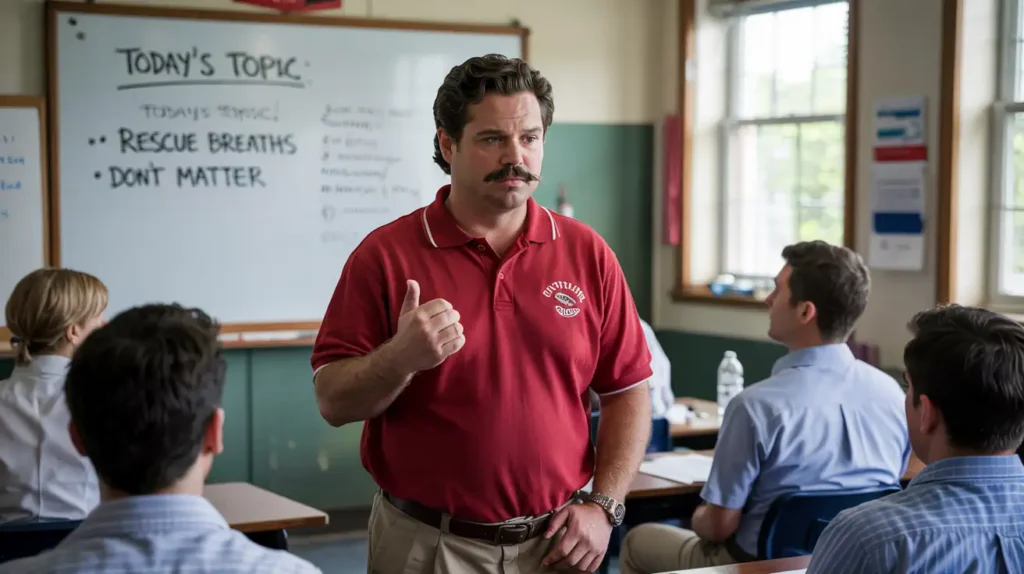
I’ve lost count of how many students say:
“But my last instructor said breaths don’t matter!”
Here’s what’s really going on:
- Some trainers oversimplify to get more people to act (better something than nothing).
- Emergency call-takers often say “just do compressions”—because they’re guiding panicked strangers.
- But if you’re trained? You’ve got the skills—use them.
The official guidelines haven’t changed:
- For adults? 30 compressions + 2 breaths.
- For kids? Breaths are critical (their hearts usually stop from oxygen loss first).
The Bottom Line: What Should You Do?
- If you’re untrained/uncomfortable: Hands-only is better than nothing. But know it’s a short-term fix.
- If you’re trained? Do the breaths. That’s what you learned for a reason.
Final Reality Check:
CPR is about keeping the brain alive. And brains really like oxygen.
Want to learn the right way? Our Brisbane CPR course cuts through the myths and teaches evidence-based lifesaving.
Stay sharp, Brisbane.
Onsite Workplace
Group Bookings

Nationally recognised certificates
30 years of professional training
Sessions tailored for your group

Public
Bookings
Nationally recognised certificates

30 years of professional training
6 locations Brisbane-wide


