
(Hint: More People than you think)
Who Needs Manual Handling Training?
Let’s get real—manual handling isn’t just for warehouse workers or nurses.
If your job involves lifting, pushing, pulling, or carrying objects you’re playing with fire if you skip proper training.One wrong move and you could be out of action for weeks. So who really needs manual handling training? If you’re in any of these fields, we recommend you consider it
Table of Contents
Why Manual Handling Training Matters
Here’s a fun fact: 41% of serious workplace injuries stem from manual tasks (according to Safe Work Australia). We’re not talking minor aches—these are career-altering injuries that could’ve been avoided.
Proper training gives you:
✔ Injury prevention
✔ Smarter work techniques
✔ Legal protection
6 Professions That Should Consider It.
1. Healthcare Workers: Nurses, Carers, Support Staff
You’re not just lifting objects—you’re moving people, who don’t come with convenient handles.
Biggest risks:
- Sudden patient movements (because bodies are unpredictable)
- Awkward postures (bending over beds is a back killer)
- Long shifts leading to fatigue-induced mistakes
Essential training: Proper use of hoists, slide sheets, and team lifting techniques. (And yes, your workplace must provide this—see WHS regulations here.)
Consider this course: HLTWHS005 – Conduct manual tasks safely
2. Warehouse & Logistics Workers
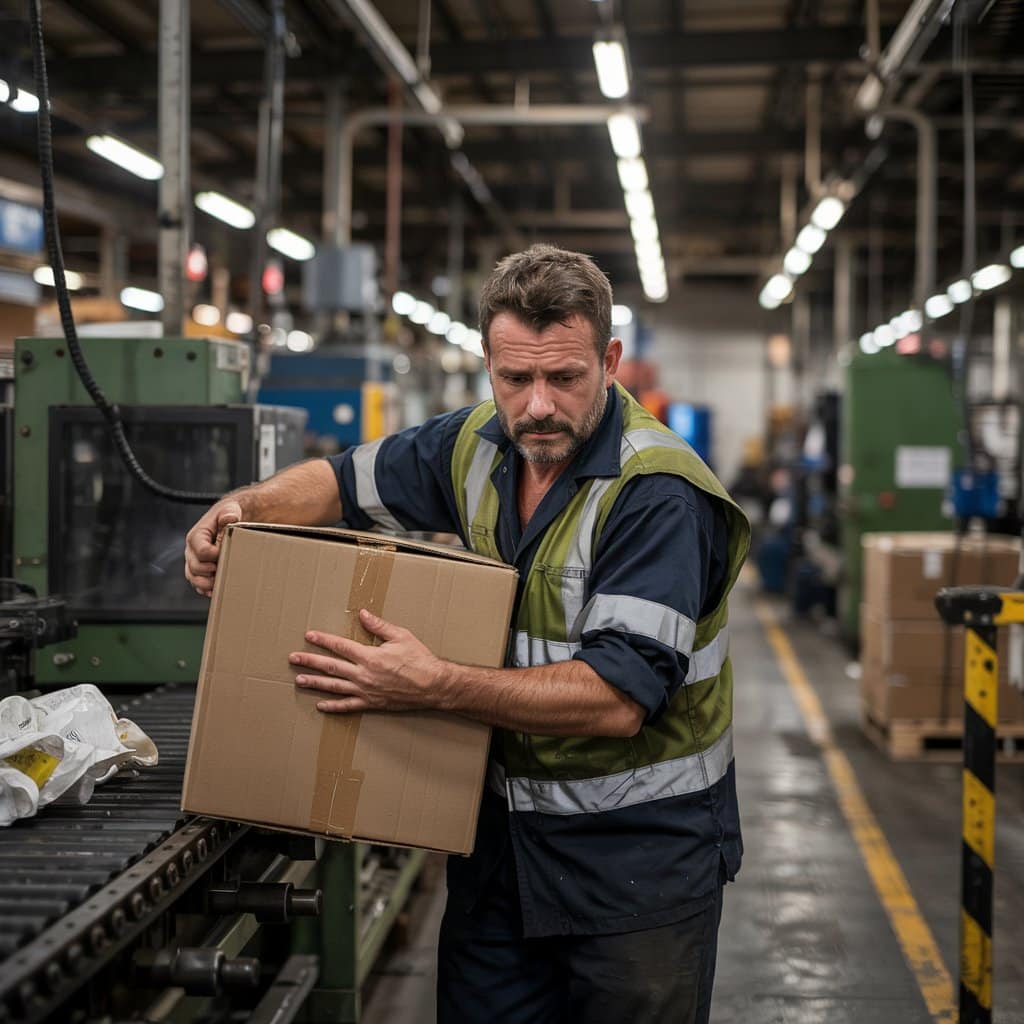
You handle more weight before lunch than most people do all week. But one bad lift can sideline you for months.
Biggest risks:
- Heavy, unbalanced loads (because not every box is perfectly packed)
- Repetitive motions (your body wasn’t built for 8 hours of the same movement)
- Fatigue leading to poor form (tired workers get hurt)
Pro move: Mechanical aids like trolleys and pallet jacks aren’t cheating—they’re smart.
3. Construction & Trade Workers
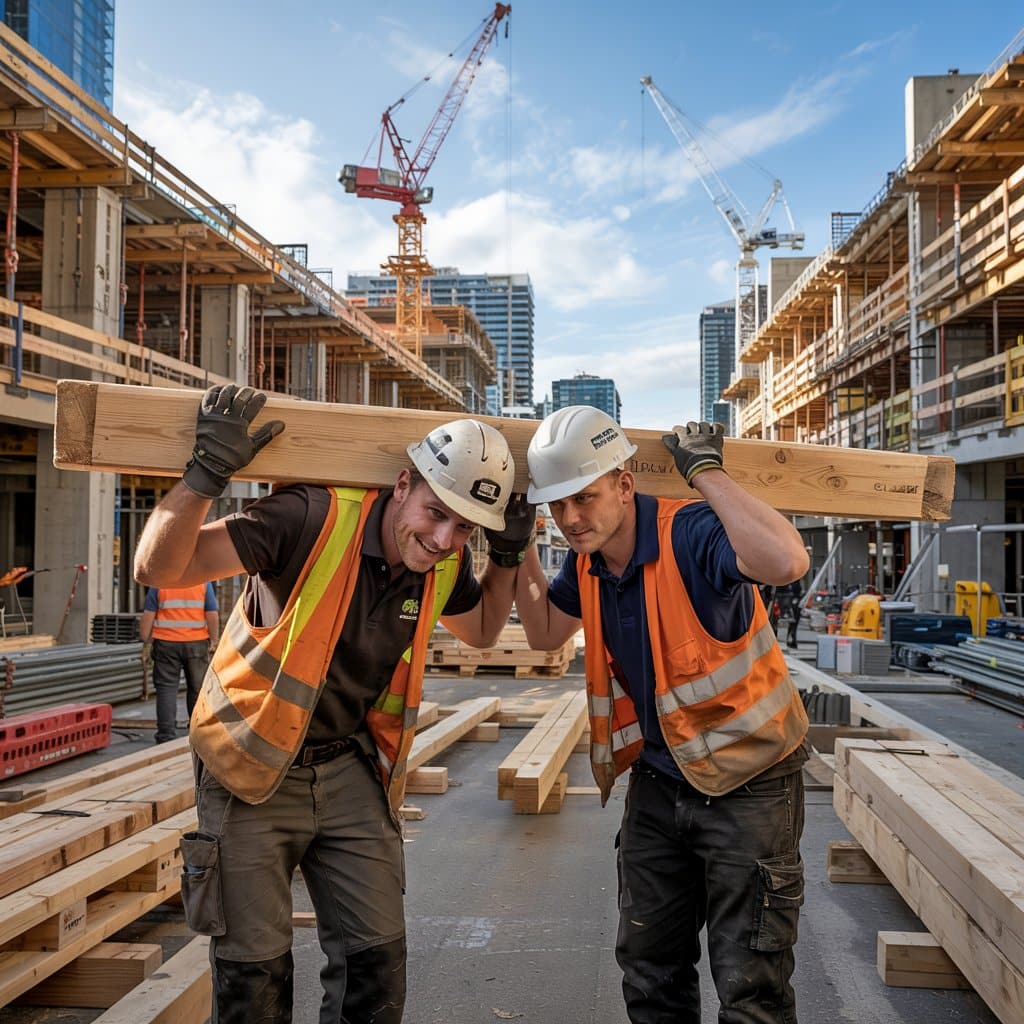
You work in tight spaces with heavy materials. And no, “I’ve been doing this for years” isn’t an injury shield.
Biggest risks:
- Lifting in awkward positions (ladders and scaffolding don’t help)
- Vibration injuries (power tools are rougher on your body than you think)
- Sudden, high-force movements (like catching falling tools)
Training tip: Learn proper lifting in confined spaces before you’re stuck in one.
4. Retail & Hospitality Staff

From stacking shelves to moving furniture, your job is more physically demanding than people realize.
Biggest risks:
- Constant bending and reaching (your spine has limits)
- Quick, unplanned movements (like catching falling stock)
- Long hours leading to sloppy form
Game changer: Push instead of pull whenever possible—your shoulders will thank you.
“But We Don’t Have Training at Work!” – Here’s What to Do
Fact: Employers need to consider providing appropriate training under WHS laws.
Your move:
“I noticed we haven’t had manual handling training yet. Since [industry] has a high injury rate from these tasks, would it make sense to schedule some training? I’d hate to see anyone get hurt when it’s preventable.”
Professional, effective, and hard to argue with.
How to Choose the Right Manual Handling Course
Not all training is created equal. Look for:
HLTWHS005 – Conduct manual tasks safely
Practical, hands-on components (theory alone won’t protect you)
Our Brisbane course includes:
- 2-hour onsite practical session
- 3-hour online theory component (complete at your pace)
- Group discounts
Get Course Details Here or call (07) 3872 6777
The Takeaway
Manual handling injuries aren’t accidents—they’re preventable. Whether you’re lifting patients, pallets, or paperwork, the right training could save your career.Ready to protect yourself? Let’s get you trained properly.
Onsite Workplace
Group Bookings

Nationally recognised certificates
30 years of professional training
Sessions tailored for your group

Public
Bookings
Nationally recognised certificates

30 years of professional training
6 locations Brisbane-wide


